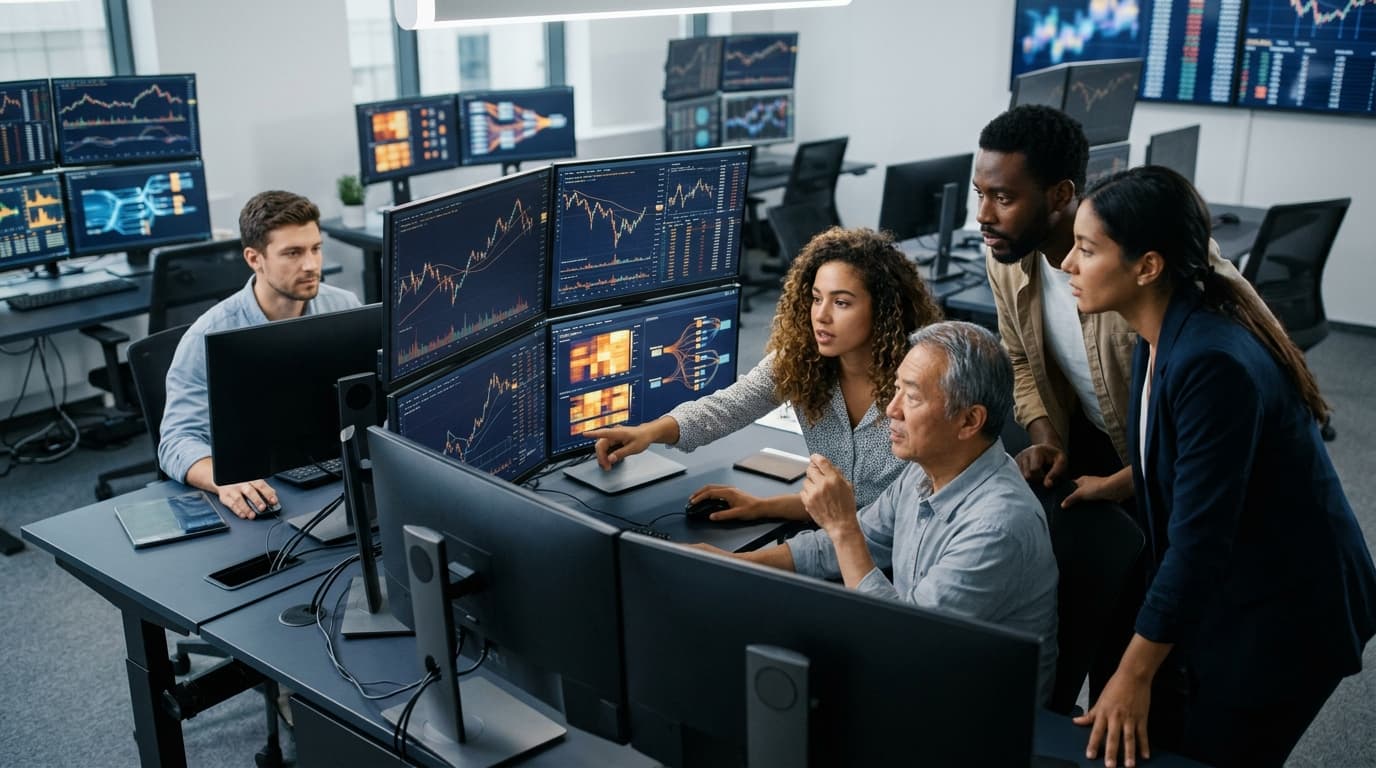
The Rise of AI-Augmented Trading Models: A New Era for Retail Traders
Explore how AI technology is transforming retail trading by enhancing decision-making, risk management, and market analysis.
Introduction
The financial landscape is undergoing a remarkable transformation, driven by advancements in artificial intelligence (AI). Retail traders, who once relied on traditional methods and intuition, are now embracing AI-augmented trading models. This shift not only enhances their trading strategies but also democratizes access to sophisticated tools that were once reserved for institutional investors.
Understanding AI-Augmented Trading Models
AI-augmented trading models leverage machine learning algorithms and data analytics to analyze vast amounts of market data. These models can identify patterns, predict price movements, and execute trades at speeds unattainable by human traders. By integrating AI into their trading practices, retail traders can make more informed decisions, reduce emotional biases, and improve their overall performance.
Key Features of AI-Augmented Trading
-
Data Analysis: AI systems can process and analyze large datasets, including historical price movements, trading volumes, and even social media sentiment. This capability allows traders to gain insights that may not be immediately apparent through traditional analysis.
-
Algorithmic Trading: Many AI trading models employ algorithmic trading strategies that automate the buying and selling of assets based on predefined criteria. This automation helps traders capitalize on market opportunities in real-time, minimizing the impact of human error.
-
Risk Management: AI can enhance risk management by assessing the volatility of assets and adjusting trading strategies accordingly. Retail traders can set risk parameters that AI systems will monitor and adjust in response to changing market conditions.
-
Personalization: AI systems can tailor trading strategies to individual traders' preferences and risk tolerances. This personalization ensures that retail traders can engage with the market in a way that aligns with their financial goals.
The Impact on Retail Traders
The integration of AI in trading has significant implications for retail traders. With access to powerful analytical tools, they can compete more effectively with institutional investors. AI-augmented trading models empower retail traders to:
- Enhance Decision-Making: By providing data-driven insights, AI helps traders make more informed decisions, reducing reliance on gut feelings or incomplete information.
- Increase Efficiency: Automated trading processes save time and allow traders to focus on strategy development rather than manual execution.
- Improve Outcomes: With better risk management and analysis, traders can potentially increase their profitability while minimizing losses.
Challenges and Considerations
While AI-augmented trading models offer numerous benefits, they also come with challenges. Retail traders must be aware of the following:
- Over-Reliance on Technology: There is a risk of becoming overly dependent on AI systems, potentially leading to complacency in decision-making.
- Market Volatility: AI systems can react to market changes rapidly, which may lead to unintended consequences during periods of high volatility.
- Learning Curve: Understanding and effectively utilizing AI tools requires a certain level of technical knowledge, which may be a barrier for some retail traders.
Conclusion
The rise of AI-augmented trading models marks a new era for retail traders, offering unprecedented access to advanced trading tools and strategies. As technology continues to evolve, retail traders who embrace these innovations will likely find themselves better equipped to navigate the complexities of the financial markets. By combining human intuition with the analytical power of AI, traders can enhance their decision-making processes and potentially improve their trading outcomes.
Disclaimer: This article is for educational purposes only and does not constitute financial advice. Always conduct your own research or consult with a financial advisor before making investment decisions.