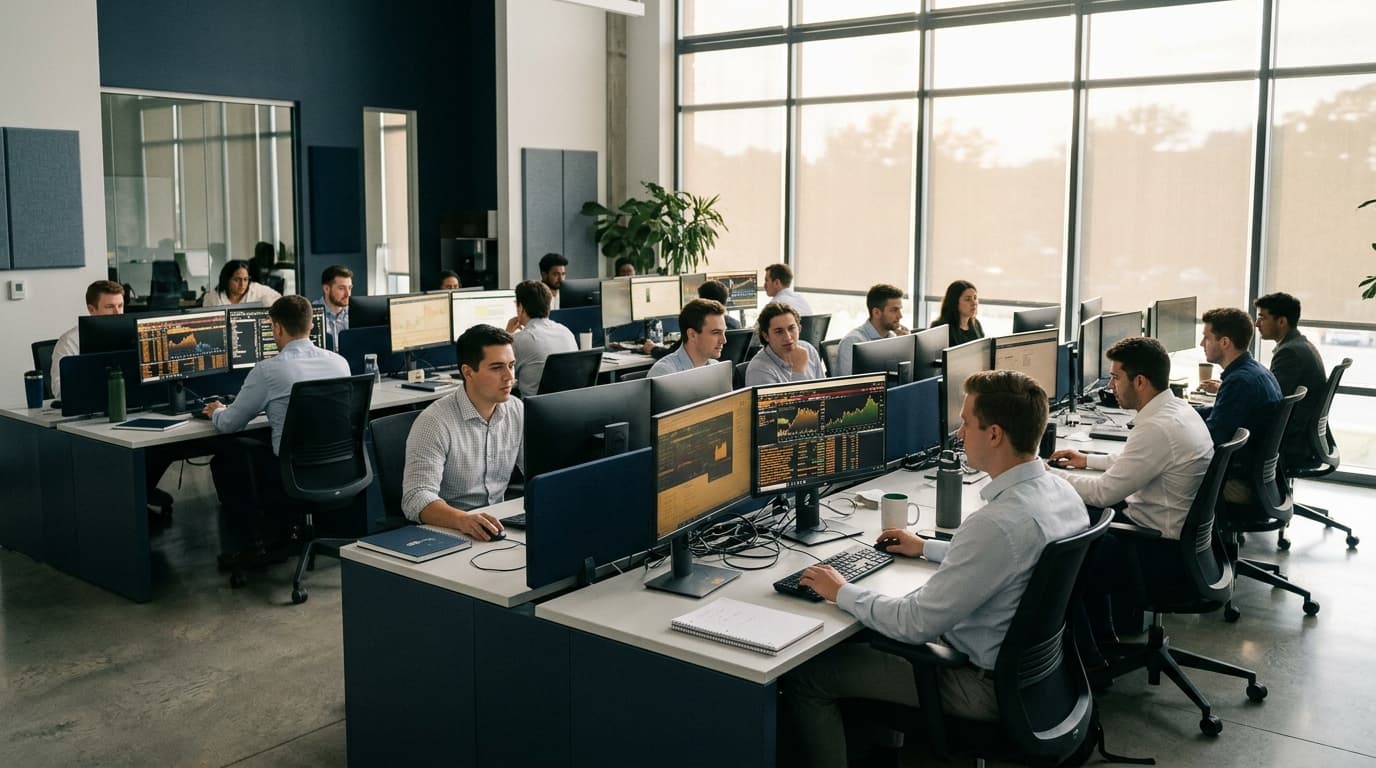
The Shift to Simulated Educational Environments in Prop Trading
Exploring how simulated environments are transforming the education of prop traders, enhancing skills, and reducing risks.
Introduction
The world of proprietary trading (prop trading) has evolved significantly over the years. Traditionally, aspiring traders learned through hands-on experience, often facing steep learning curves and significant financial risks. However, with advancements in technology, educational methods have shifted towards simulated environments. This article explores the benefits and implications of this transformation in prop trading education.
The Rise of Simulated Trading
Simulated trading environments allow individuals to practice trading strategies without the risk of losing real capital. These platforms replicate market conditions, enabling traders to execute trades based on real-time data and market movements. As technology has advanced, these simulations have become increasingly sophisticated, offering features such as algorithmic trading, risk management tools, and performance analytics.
The use of simulations provides a safe space for traders to experiment with different strategies, understand market dynamics, and develop their trading psychology. This approach not only enhances learning but also builds confidence, allowing traders to enter the market better prepared.
Benefits of Simulated Learning
One of the most significant advantages of simulated educational environments is the ability to learn from mistakes without financial repercussions. In traditional trading, errors can lead to substantial losses, which may discourage new traders from continuing. Simulated environments allow for trial and error, fostering a culture of learning and adaptation.
Additionally, these platforms often include educational resources such as tutorials, webinars, and community forums. Traders can engage with experienced professionals, gaining insights that may not be available in a traditional classroom setting. This blend of practical experience and theoretical knowledge creates a well-rounded educational experience.
Bridging the Gap Between Theory and Practice
Simulated trading environments bridge the gap between theoretical knowledge and practical application. While understanding market fundamentals is crucial, the ability to apply that knowledge in real-time scenarios is what ultimately defines a successful trader. Simulations provide a platform for this application, allowing traders to implement strategies and see their outcomes instantaneously.
Moreover, as markets evolve, so do trading strategies. Simulated environments can be updated to reflect current market conditions, ensuring that traders are learning relevant and timely information. This adaptability is essential in a fast-paced trading world where strategies can quickly become outdated.
The Future of Prop Trading Education
As the financial landscape continues to change, the shift towards simulated educational environments in prop trading is likely to grow. With the integration of artificial intelligence and machine learning, future simulations may offer even more personalized learning experiences, tailoring scenarios to individual trader needs and skill levels.
Furthermore, as more educational institutions and trading firms recognize the value of simulation-based learning, we may see an increase in formalized training programs that incorporate these tools. This evolution could lead to a new standard in prop trading education, where aspiring traders are equipped with the skills and knowledge necessary to thrive in competitive markets.
Conclusion
The transition to simulated educational environments in prop trading represents a significant advancement in how traders learn and develop their skills. By providing a risk-free platform for practice and experimentation, these environments enhance the educational experience and prepare traders for the complexities of real-world trading. As technology continues to evolve, the potential for even more innovative educational tools will undoubtedly shape the future of prop trading education.
This article is for educational purposes only and does not constitute financial advice. Always conduct your own research or consult with a financial advisor before making investment decisions.