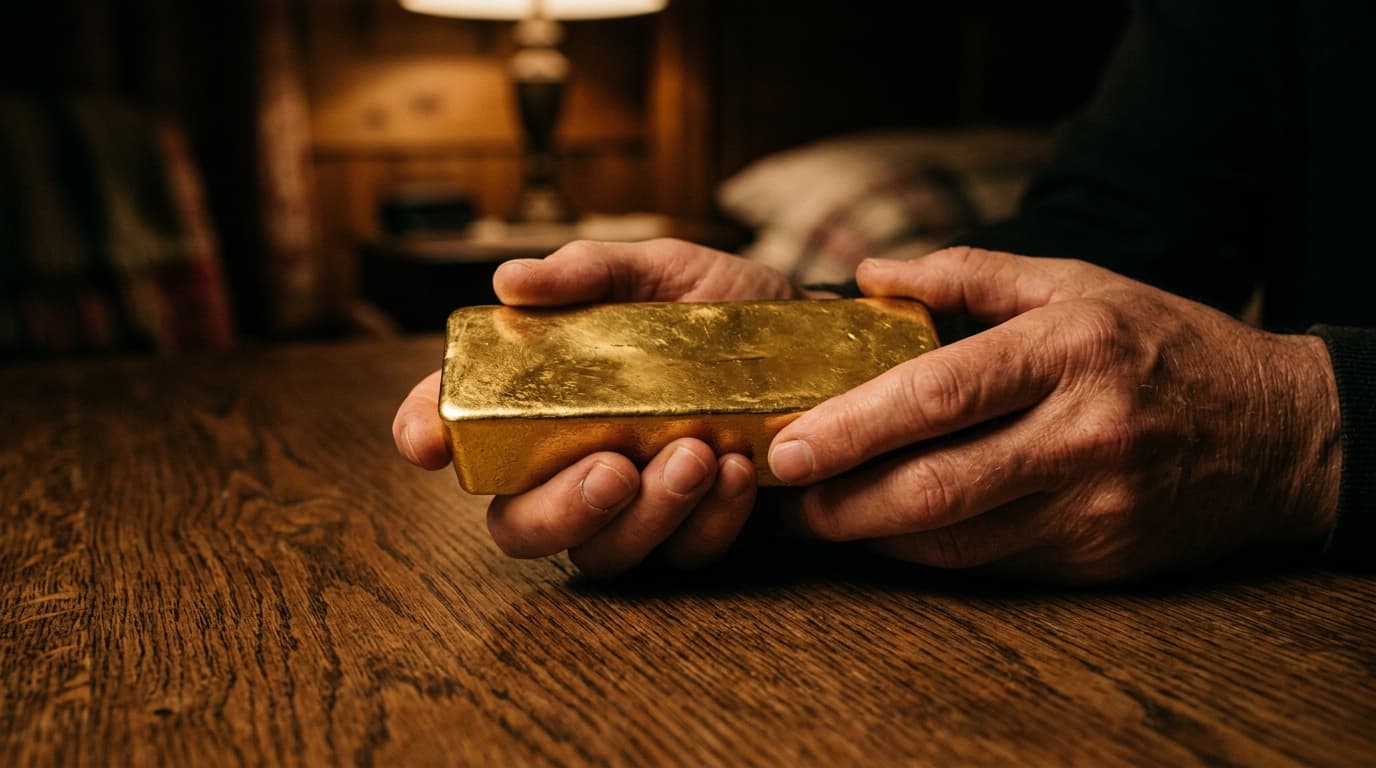
Understanding Gold's Role in Economic Stability
Gold has long been viewed as a safe haven during times of economic uncertainty. This article explores the factors influencing gold prices, its historical significance, and the implications of monetary policy on its value.
The Historical Significance of Gold
Gold has been a symbol of wealth and stability for centuries. Its intrinsic value has made it a preferred asset during times of economic turmoil. Historically, gold has served not only as a currency but also as a hedge against inflation and currency devaluation. Investors often flock to gold when they perceive instability in financial markets or geopolitical tensions, making it a crucial component of a diversified portfolio.
Factors Influencing Gold Prices
Several factors can influence the price of gold, including:
-
Monetary Policy: Central banks play a significant role in determining gold prices. Hawkish monetary policies, which involve increasing interest rates to combat inflation, can lead to a decrease in gold prices. Conversely, dovish policies, which keep interest rates low, can boost gold prices as investors seek alternatives to low-yielding cash.
-
Inflation: Gold is often seen as a hedge against inflation. When inflation rises, the purchasing power of currency declines, making gold more attractive as a store of value. Investors typically increase their gold holdings during inflationary periods.
-
Geopolitical Tensions: Uncertainty in global politics can drive investors toward gold. Events such as conflicts, trade wars, or diplomatic tensions can lead to increased demand for gold as a safe haven asset.
-
Currency Strength: The value of the U.S. dollar is inversely related to gold prices. A stronger dollar makes gold more expensive for foreign investors, potentially decreasing demand. Conversely, a weaker dollar can increase gold's attractiveness.
The Role of the Federal Reserve
The Federal Reserve's actions and communications are critical in shaping market expectations. Hawkish statements from the Fed can signal a tightening of monetary policy, which may lead to a decline in gold prices as investors anticipate higher interest rates. Understanding the Fed's stance can provide insights into future gold price movements.
For instance, if the Fed indicates a commitment to controlling inflation through interest rate hikes, gold may face downward pressure. On the other hand, if the Fed adopts a more dovish tone, it could support gold prices as investors seek refuge from potential currency devaluation.
Gold as a Portfolio Diversifier
Incorporating gold into an investment portfolio can provide diversification benefits. Gold often has a low correlation with other asset classes, such as stocks and bonds. This means that during periods of market volatility, gold may not move in tandem with equities, potentially reducing overall portfolio risk.
Investors should consider their risk tolerance and investment goals when deciding how much gold to include in their portfolios. While gold can provide a hedge against economic uncertainty, it is essential to balance it with other asset classes to achieve a well-rounded investment strategy.
Conclusion
Gold remains a critical asset in the financial landscape, especially during times of economic uncertainty. Understanding the factors that influence its price, including monetary policy, inflation, geopolitical tensions, and currency strength, can help investors make informed decisions. As always, diversification is key to managing risk in any investment strategy.
This article is for educational purposes only and should not be considered financial advice. Always consult with a qualified financial advisor before making investment decisions.